
Introduction
Planning a move into a new home is an exciting time, but it often comes with a long to-do list and a budget to manage. One question that frequently comes up is whether moving companies will add an extra charge for navigating stairs. The short answer is often yes. Many movers do apply an additional fee when they have to carry your belongings up or down flights of stairs. This article will help you understand why this charge exists, how it’s calculated, and how you can prepare for it to avoid any surprises on moving day.
Understanding Stair Fees in Brisbane Moving Services
When you hire a Brisbane removalist, you might notice an extra fee on your bill related to stairs. Yes, most moving companies do charge for carrying items up or down stairways. This is a common practice in the industry to compensate for the extra effort and time required compared to a ground-floor move.
A reputable removalist company will be transparent about these charges. Understanding why this extra fee exists is the first step toward planning your moving budget effectively. The following sections will explore the reasoning behind these charges and how they are typically determined by moving services.
Why Movers Charge Extra for Stairs
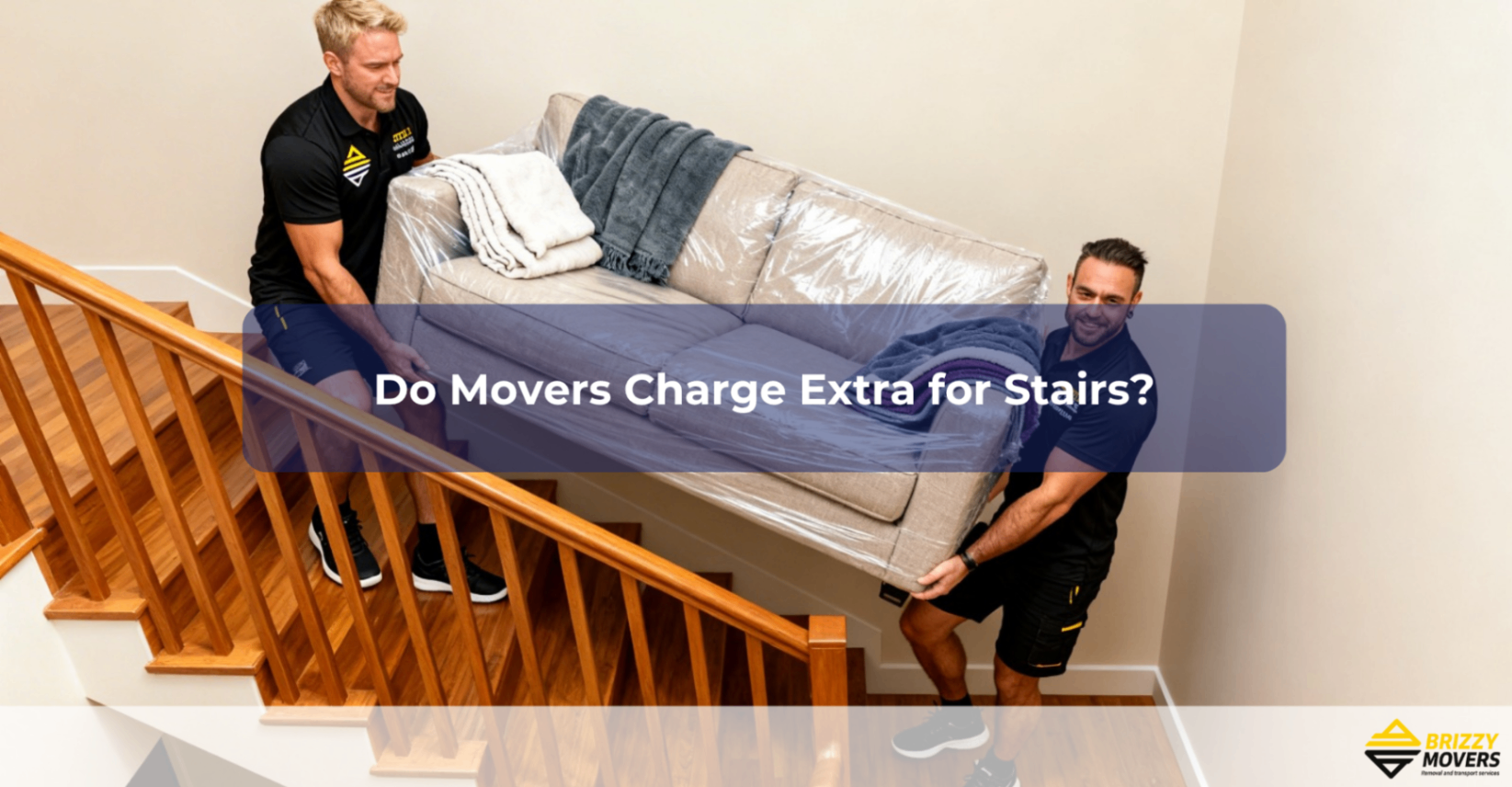
The primary reason moving companies charge more for stairs is the significant extra effort involved. Carrying heavy items up or down multiple flights is physically demanding and poses a greater risk of injury to the moving crew and potential damage to your belongings and property. Professional movers must use specific techniques to safely navigate stairwells, which takes more time and energy.
This increased difficulty slows down the entire moving process. What might take a few minutes on a flat surface can take considerably longer on a staircase, especially with bulky furniture. This additional time translates to a higher cost for the moving company, which is then passed on to the customer.
Ultimately, the stair fee covers the increased labor, risk, and time required for the job. Moving companies factor this in to ensure their teams are compensated for the more strenuous work and to cover potential insurance costs associated with the higher risk of accidents when dealing with heavy items on stairs.
How Stair Fees Are Calculated
The calculation of stair fees isn’t standardized across all moving companies, which is why it’s vital to clarify this when you receive removalist quotes. Some movers may charge a flat fee per flight of stairs, while others might add a specific amount per hour to their base rate. The method used can significantly impact your final bill.
Factors influencing the fee include the number of flights of stairs, the width of the staircase, and whether it has any turns. The type of items being moved also plays a role; a piano will incur a much higher fee than a few boxes. It’s essential to provide accurate details about your property’s access to get an honest quote and properly plan your moving budget.
To give you an idea of how these fees might be structured, here’s a look at common calculation methods:
|
Calculation Method |
Description |
|---|---|
|
Per Flight Fee |
A set charge is applied for each flight of stairs at either the pickup or drop-off location. |
|
Hourly Surcharge |
An additional amount is added to the standard hourly rate to account for the presence of stairs. |
|
Per Item Fee |
A specific fee is charged for particularly heavy or bulky items that require extra effort to move up or down stairs. |
|
Flat Rate |
Some movers may quote a single flat rate for the entire job, with the stair access already factored into the price. |
Common Scenarios Triggering Stair Surcharges
Stair fees are often viewed as a hidden cost because they might not be explicitly mentioned in a standard moving quote unless you ask. Certain situations almost always trigger these extra charges. If your old apartment or new home is on any floor other than the ground level without an elevator, you can expect a surcharge.
The presence of specific bulky items is another major trigger. Professional movers will typically apply an extra fee for objects that are difficult and dangerous to maneuver through stairwells. These items require specialized equipment and more personnel to move safely.
Here are some common items that often lead to stair surcharges:
- Large Furniture: Moving pieces like a heavy sofa or a master bedroom suite up multiple floors is a challenging task.
- Heavy Items: Objects like pianos and pool tables are notoriously difficult to move and will almost certainly incur an extra fee.
- Bulky Items: Large appliances such as refrigerators or washing machines require extra care and manpower when stairs are involved.
Factors That Influence Stair Charges
Several key factors determine the final extra fee for stairs on your moving bill. The most obvious is the number of stairs or flights of stairs at both your current and new location. The more steps involved, the higher the charge will likely be.
Beyond the quantity of stairs, the overall access to your property plays a crucial role. Narrow hallways, tight corners, or the absence of an elevator can all complicate the move and contribute to a higher cost. Understanding these elements will help you anticipate the final price.
Number of Flights and Steps Involved
The total number of steps and flights of stairs is a primary factor in how much you’ll pay. A move from a second-story apartment will naturally cost less than one from a fourth-floor walk-up. Movers assess the difficulty based on the vertical distance they have to travel with your belongings.
For larger homes with multiple levels, the amount of belongings being moved between floors also comes into play. If movers only need to carry a few items up to a second story, the fee might be minimal. However, if they are moving an entire household’s worth of furniture, the cost will increase accordingly.
The number of movers can also affect your cost. While hiring more movers increases the hourly rate, it can speed up the job significantly, especially when dealing with stairs. A larger team can more efficiently and safely transport items from your home to the removalist’s truck, potentially reducing the total time and overall cost of the move, even with a stair fee included.
Access to Elevators vs. Stairways
The availability of elevators versus stairways makes a huge difference in moving costs. If your building has a service elevator that you can reserve for your move, you will likely avoid stair fees altogether. Elevators make moving quicker, safer, and much less physically demanding for the crew.
However, even with an elevator, you could face an extra cost if there are long distances to cover. A “long carry” fee might be applied if the movers have to transport your items over a significant distance from your apartment to the truck. This charge compensates for the extra time spent walking back and forth.
When only stairways are available, movers will apply a fee that could be structured per floor, per item, or as a flat rate. This is because navigating stairs requires more time and presents greater challenges. Always confirm with your mover how they structure their fees to avoid any surprises.
Type, Size, and Weight of Items Being Moved
The characteristics of your belongings directly impact stair fees. Moving a few boxes of books is one thing, but maneuvering large items and heavy items like a solid wood wardrobe or a king-size mattress up a narrow staircase is another challenge entirely. These objects require more movers and careful planning.
Valuable items, such as antiques or large appliances, also need special handling. Movers often use extra protective materials like bubble wrap and blankets to prevent damage, and the process of carrying them up or down stairs is slow and deliberate. This additional care and effort are reflected in the cost.
To avoid unexpected charges, you should provide your removalist with a detailed list of any oversized or particularly heavy items you need moved. Ask them directly, “How do you charge for moving large appliances or heavy furniture up stairs?” This question will prompt them to explain their fee structure clearly.
How Stair Fees Impact Local vs. Interstate Moves
Stair fees can differ between local moves and interstate moves. For local relocations, stair fees are often added to an hourly rate, as the overall job is shorter. However, for a move to a new state, the pricing structure is usually more complex, and stair charges might be bundled into the total quote.
This difference exists because interstate moves already involve higher costs due to longer distances and fuel expenses. It’s crucial to get a detailed breakdown of the quote to ensure you’re getting a fair price and understand how access issues at either end will affect the final bill.
Variations in Charges by Move Distance
Yes, there is often a difference in how stair fees are applied for a local move versus a move over longer distances. For a local Brisbane move, companies typically charge by the hour, and a stair fee might be an additional hourly surcharge or a one-time fee. The focus is on the time and labor for that specific day.
When moving to a new state, the entire cost structure changes. Removalists calculate interstate move prices based on the volume or weight of your belongings and the distance to the new location. In these cases, stair fees might be incorporated into the overall quote as a flat accessorial charge rather than a separate hourly fee.
Because the logistics of an interstate move are more complex, it’s even more important to be upfront about access at both your old and new homes. Failing to mention a three-story walk-up at your new location could result in significant and unexpected charges upon delivery.
Differences in Removalist Pricing Structures
Removalist fees vary widely, so understanding different pricing structures is key to finding competitive prices. Some movers offer a simple hourly base rate for labor and the truck, with additional fees for stairs, long carries, or special items. This model is common for local moves.
Other companies provide an all-inclusive or flat-rate quote. With this pricing structure, you are given a single price for the entire job. Ideally, this rate should include all potential charges, including stair fees. However, this is where hidden costs can arise if you haven’t been completely transparent about your moving situation.
To avoid surprises, always request a detailed quote that itemizes every charge. Ask the removalist, “Is this quote all-inclusive, or are there other fees I should be aware of?” This ensures that stair fees aren’t a hidden cost and that the price you’re quoted is the price you’ll pay.
Brisbane-Specific Considerations and Regulations
When booking a Brisbane removalist, there are local factors to consider beyond just stair fees. For instance, moving on weekends or public holidays will almost always come at a premium. Some areas in Brisbane may also have parking regulations that require a permit for the moving truck, which could be an additional cost.
Beyond stair fees, there are other potential hidden charges to watch out for. These can include fees for last-minute schedule changes, long carry distances from the truck to your door, or surcharges for moving particularly heavy items like pianos or pool tables. Some companies may also charge for fuel or travel time to and from their depot.
Additionally, think about extra services you might need, such as packing, unpacking, or rubbish removal, as these will add to your total bill. It’s also wise to inquire about insurance costs, as the basic coverage offered may not be sufficient for your valuable items.

Avoiding Hidden Charges on Moving Day
No one likes unexpected costs, especially on an already stressful moving day. The best way to avoid hidden costs is through clear communication with your removalist company. Being upfront about every detail of your move, no matter how small it seems, is crucial.
Requesting a comprehensive, detailed quote is your best defense against surprise fees. This document should itemize every potential charge, giving you complete clarity and peace of mind. Let’s look at what you should ask before booking to ensure everything is covered.
What to Ask Your Removalist Before Booking
During your initial discussions with a removalist company, being thorough can save you a lot of money and stress. Don’t assume anything is included. The goal is to get a detailed quote that leaves no room for interpretation, helping you stick to your moving budget.
To avoid any unexpected charges related to stairs or other aspects of the move, come prepared with a list of questions. A good company will be happy to walk you through every step of the way and explain their pricing clearly.
Here are a few essential questions to ask:
- “Do you charge extra for stairs, and how is that fee calculated?”
- “Are there any additional fees for long carries, heavy items, or difficult access?”
- “Does your quote include fuel surcharges, travel time, and taxes?”
- “What level of insurance is included, and what are the options for additional coverage?”
Understanding the Included and Excluded Costs
When you receive removalist quotes, it’s vital to understand what is covered and what is not. Included costs typically cover the labor for the specified number of movers and the use of the truck for a set amount of time or distance. Basic furniture disassembly and reassembly might also be part of the standard service.
Excluded costs are where many people get caught by surprise. These often include stair fees, packing services, the cost of packing materials, and additional insurance costs. Unless you specifically ask, these items may not appear on the initial quote, making them a hidden cost in Brisbane.
Always review the quote carefully and ask for clarification on any line item you don’t understand. Confirm in writing what is included and what is excluded before you sign any contract. This simple step can prevent disputes and ensure your move goes smoothly without any financial shocks.
Tips for Negotiating or Reducing Stair Fees
While you might not be able to waive stair fees entirely, there are ways to negotiate or reduce this extra expense. Moving companies want to secure your business, and some may be flexible, especially during their off-peak seasons. Getting competitive prices from multiple companies gives you leverage to ask for a better deal.
You can try to negotiate a fair price by showing that you are an organized and prepared customer. If you have done some of the work yourself, like moving all the boxes to the ground floor, the movers might be willing to reduce the fee. Their goal is to have happy customers who will recommend their expert help.
Here are a few tips for reducing stair fees:
- Move smaller items yourself: Carry all your boxes and smaller belongings downstairs before the movers arrive, leaving only the large furniture for them.
- Schedule your move during a weekday: Movers are less busy during the week and may be more open to negotiation.
- Book an elevator: If your building has an elevator, reserve it for the day of your move to avoid stair charges completely.
Conclusion
In summary, understanding stair fees is an essential part of the moving process in Brisbane. By knowing why movers charge extra for stairs and how these charges are calculated, you can better prepare for your relocation. Factors such as the number of flights, access to elevators, and the type of items being transported all play a significant role in determining costs. To avoid hidden charges on moving day, be proactive about asking your removalist detailed questions and clarify what is included in your quote. Taking these steps will not only help you manage your budget effectively but also ensure a smoother moving experience. If you’re ready to make your move easier, get in touch with us for a free consultation today!
Frequently Asked Questions
Are stair fees usually included in removalist quotes, or are they a hidden cost in Brisbane?
Stair fees can often be a hidden cost. While some Brisbane movers include them in initial removalist quotes if you mention them, others might add the extra charge later. It’s essential to ask moving companies directly about their policy on stairs to avoid surprises on your final bill.
Is the stair fee charged per floor, per item, or as a flat rate by most Brisbane movers?
The structure of the stair fee varies among Brisbane movers. It can be an extra cost charged per flight of stairs, a flat rate for the entire job, or even an additional hourly surcharge. Clarifying this with your mover will help you manage your moving budget effectively.
Besides stair fees, what other hidden charges should I watch out for with moving companies in Queensland?
When hiring moving companies in Queensland, be cautious of additional charges such as fuel fees, packing supplies, and long carry fees. It’s also wise to check for costs related to cancellation or rescheduling. Always request a detailed estimate to avoid surprises on moving day.